

Project · Completed · Steblevë–Rrajcë, Albania · 2025
Steblevë–Rrajcë Trail
Developing a new trail through nature, heritage and local communities.
Project · Completed · Steblevë–Rrajcë, Albania · 2025
Developing a new trail through nature, heritage and local communities.
A trail that does not exist on the ground cannot be promoted, mapped or maintained. Steblevë–Rrajcë is a region with real natural and cultural value and almost no way for a visitor to the destination to reach it or understand what is there. This project set out to fix that, and to leave behind something concrete.
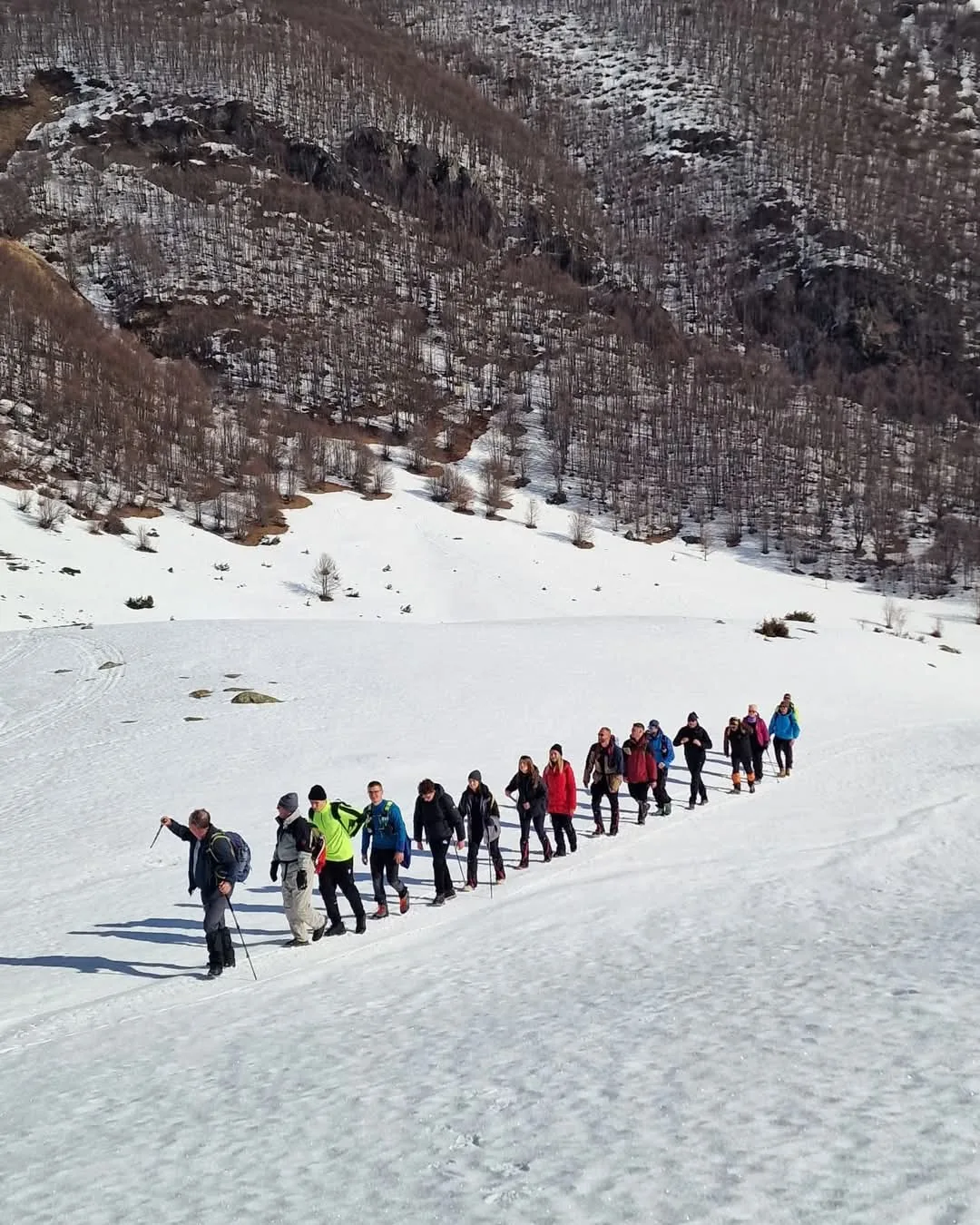
The area between Steblevë and Rrajcë holds mountain pastures, beech forest, traditional architecture and a pastoral way of life that is still active. It also held nothing that told anyone where to go. The route existed as knowledge held by local guides, not as something a person could plan a day around.
Promoting a place is not enough on its own. It has to be accompanied by real work on the ground, so that the place can actually be reached, understood and cared for. Without that, promotion is a poster and nothing more.
Within a project won through the TIP programme, with the support of GIZ, the work ran across six areas.
Trail development meant marking the itinerary on the ground. Orientation of the route meant walking it, stage by stage, and checking every point from the direction a walker would actually be coming from. Documentation meant recording the stages, what is on each one and how long they take. Digital resources meant building the description that turns a line on a map into something someone can prepare for. Local collaboration meant working with the guides, hosts and residents along the route rather than about them. And promotion meant giving the area the visibility that the previous five things had earned.
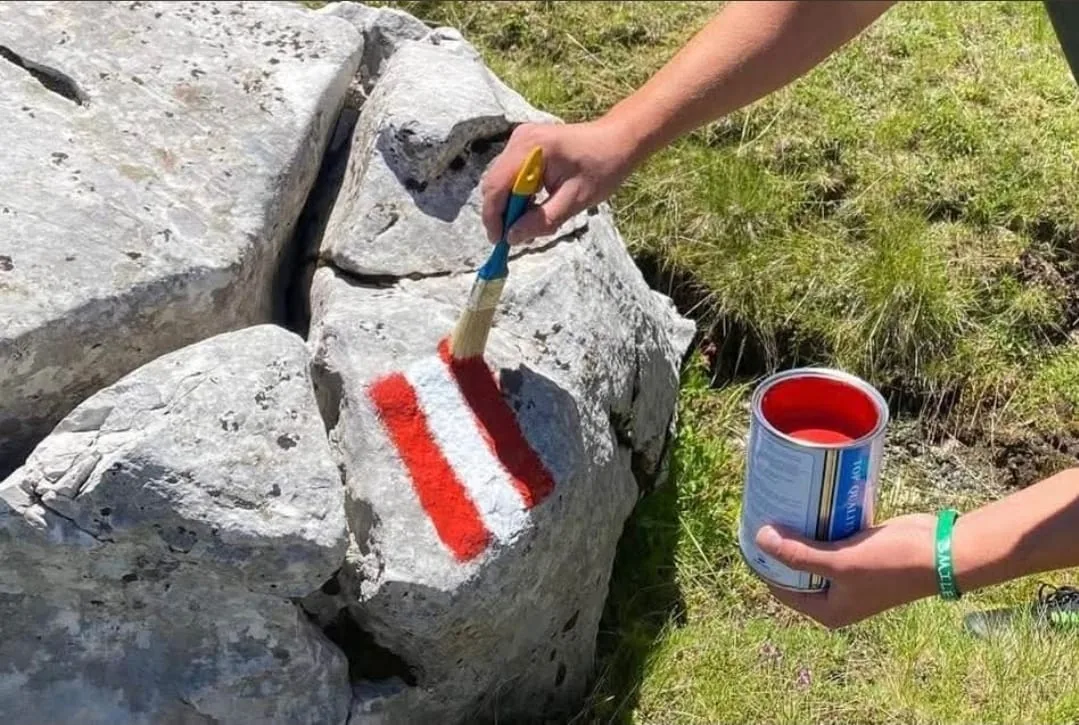
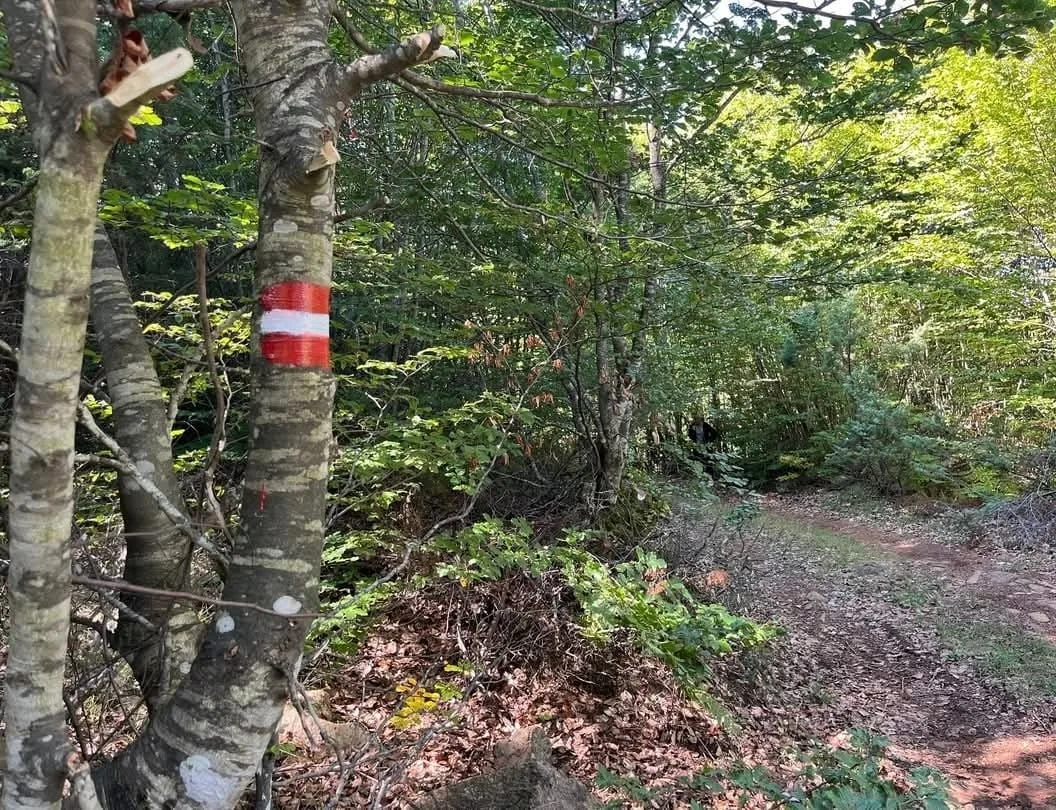
A trail of this length cannot be made from a map. Every marker has to be reached on foot, checked from the approaching direction and corrected when it has moved, faded or been weathered. Most of the working days went into that, not into the part that is visible afterwards.
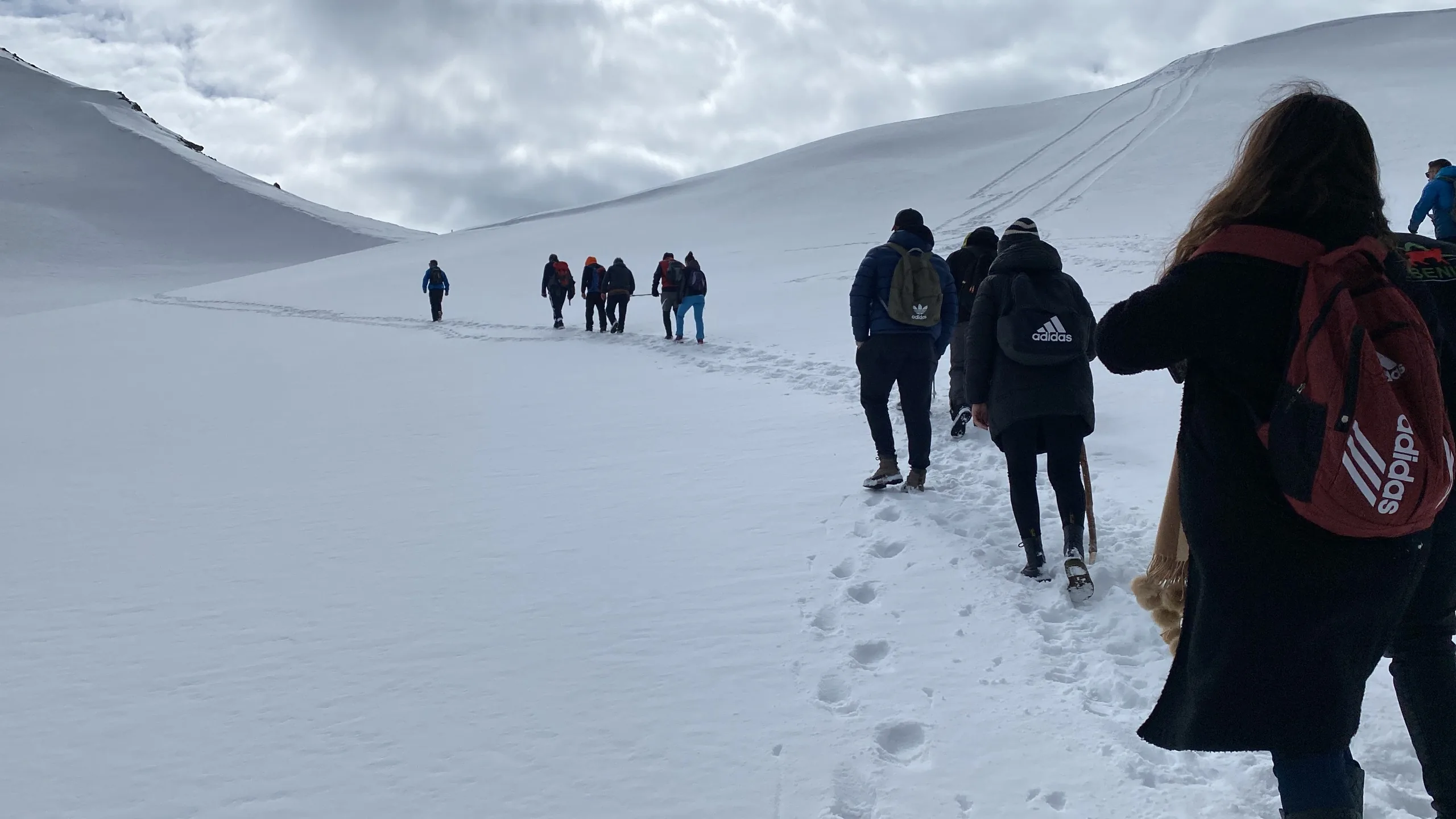
The trail is not only a walking route. It connects nature to heritage to the communities that live along it, and that chain is the actual output of the project.
A hiker who reaches a pasture, sees the buildings and meets the person who works that land does not pass through the area. Attention spent on a place is attention that keeps something alive, and the people along the route get a form of presence in the economy of their own valley. For guides, local hosts and services, a trail that can be found and followed is work and reason to be there.
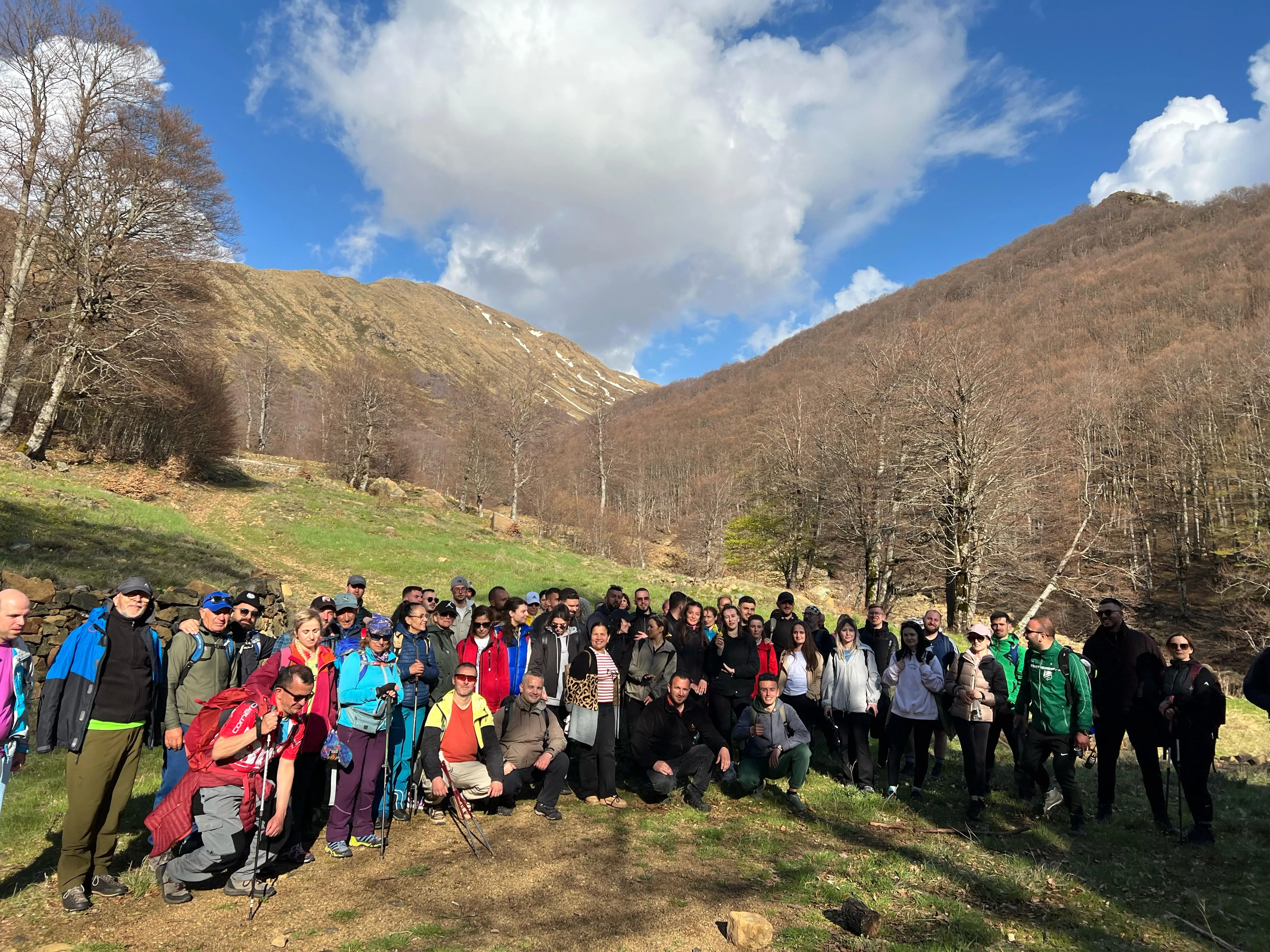
It is also self-reinforcing in a practical way. A trail that people can find and follow is a trail that stays in good condition, because the people who use it are the people who notice when it is not.
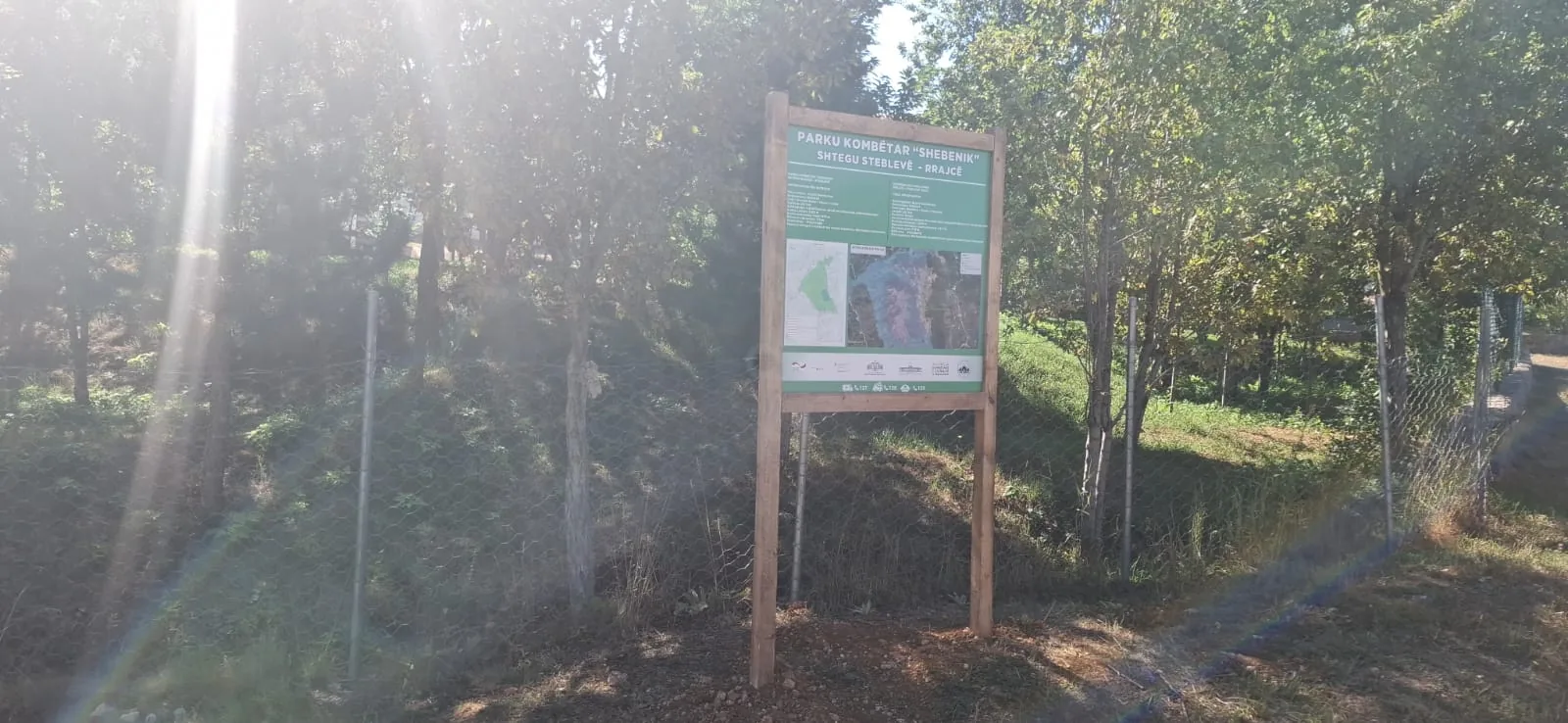
Around 27 kilometres of mountain itinerary marked, oriented and documented. A signboard at the trailhead. Stage information good enough for a visitor to the destination to plan a day around. And a route that the people of the area can keep working, because the work of marking it was done with them.
This trail is the clearest single implementation of a broader piece of work: Building Local Capacity for Sustainable Tourism. That project covers guide training, local knowledge, digital guides, destination documentation and community involvement. Steblevë–Rrajcë is where those lines met in one place with one measurable result.
Objectives
Partners · GIZ, TIP programme
Related stories