

Project · Ongoing · Albania
Building Local Capacity for Sustainable Tourism
Training local people and developing tools that help destinations become more accessible, sustainable and locally managed.
Project · Ongoing · Albania
Training local people and developing tools that help destinations become more accessible, sustainable and locally managed.
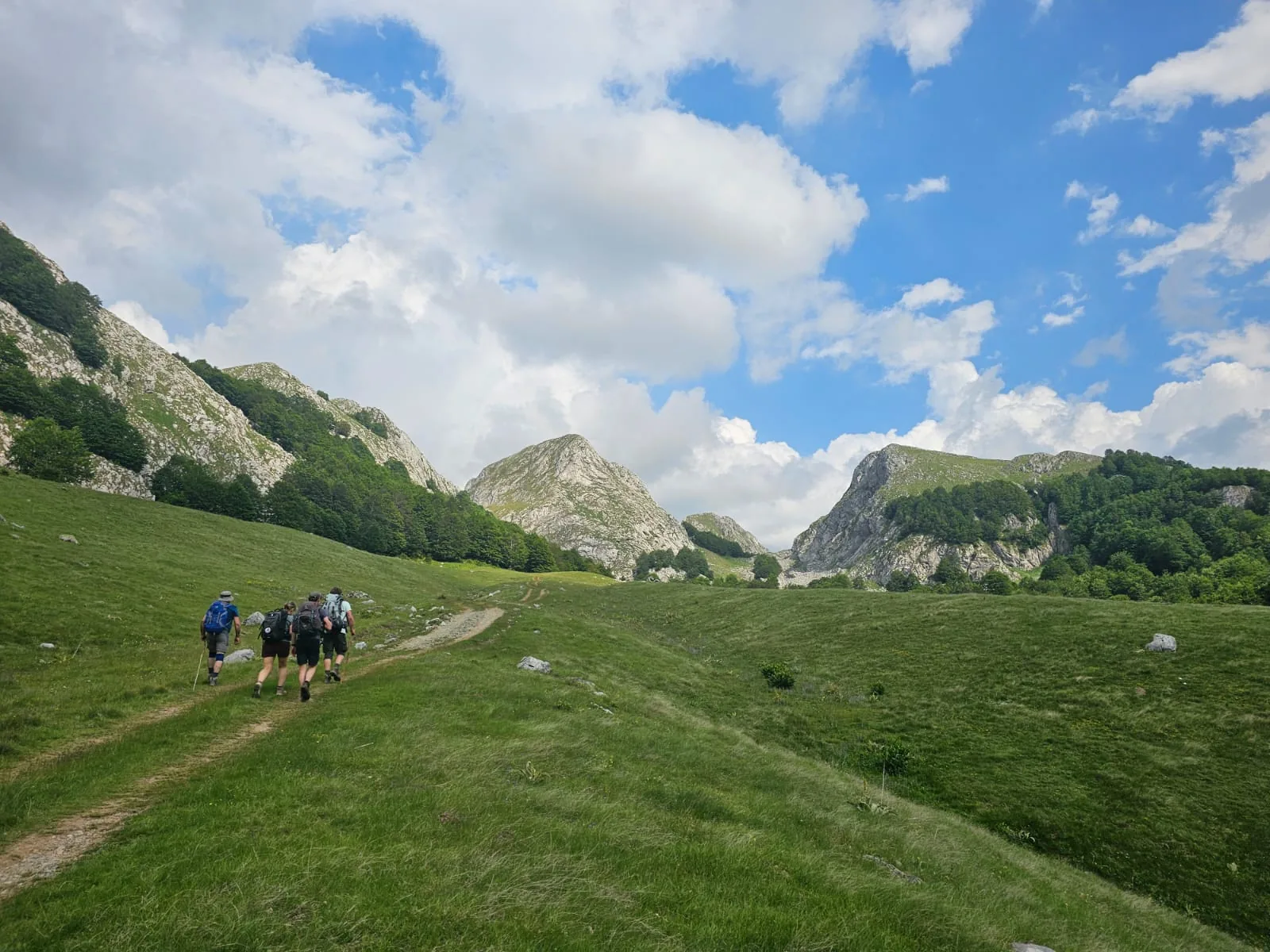
A destination does not develop itself. It develops when the people who live there have the skills, the knowledge, the routes and the tools to decide what happens in it and to receive visitors well. This project is about that first part. It trains local people and builds the tools that let them manage and promote their own destinations, so the capacity stays where the place is.
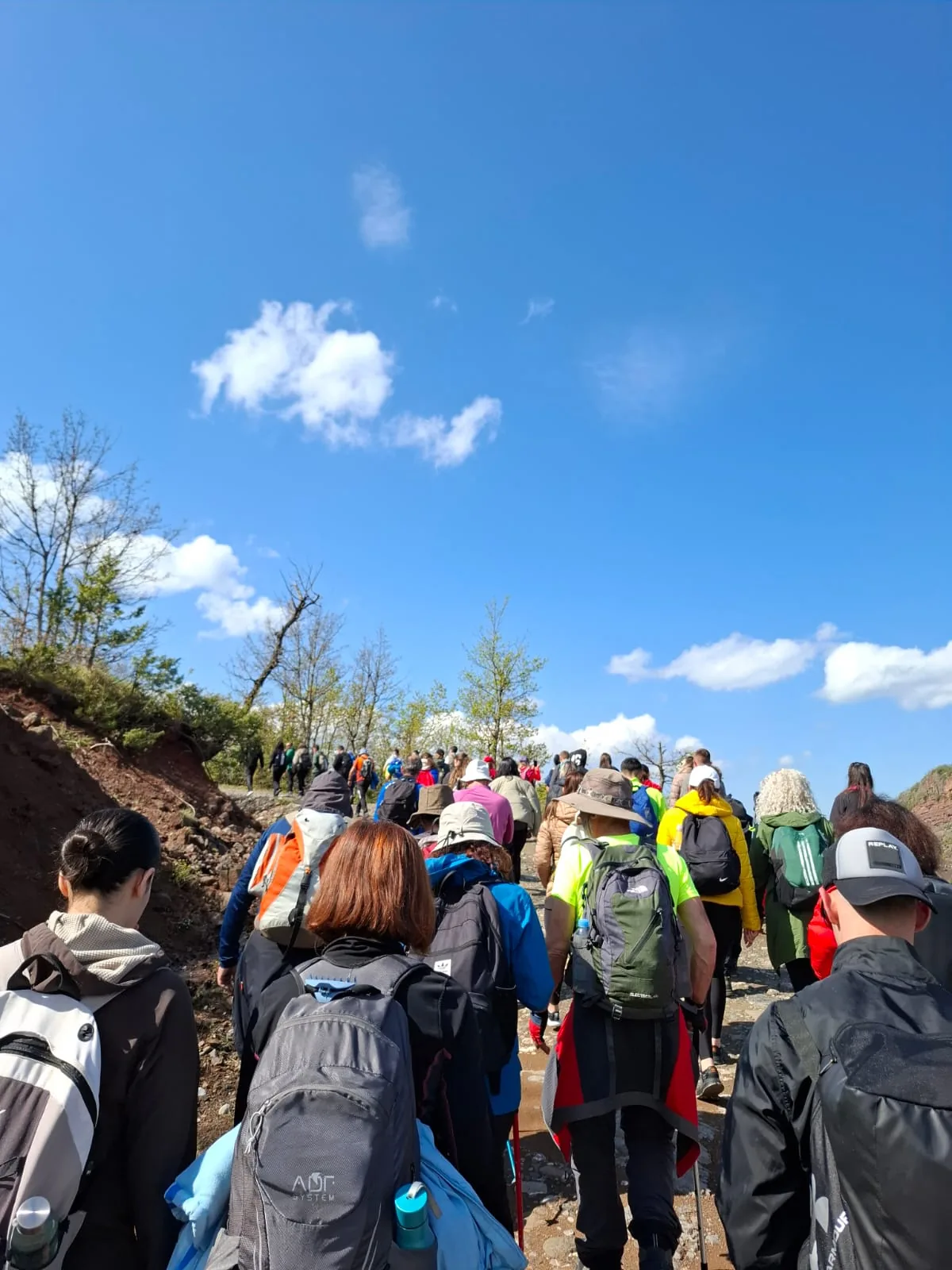
Part of this work has been partnerships to train new local guides. A guide is not only someone who knows the way. A guide is someone who can read a landscape, explain why a place matters, answer a question honestly and decide when a group should turn back. That takes practice, and practice takes time with people who already know the work.
Much of what makes a destination worth visiting is held by someone who was never invited to write it down. Which pasture is grazed in which season, where the spring is, which family has kept the same animals for generations. Documenting that is not tourism writing. It is making a place legible to itself first, and to a visitor to the destination afterwards.
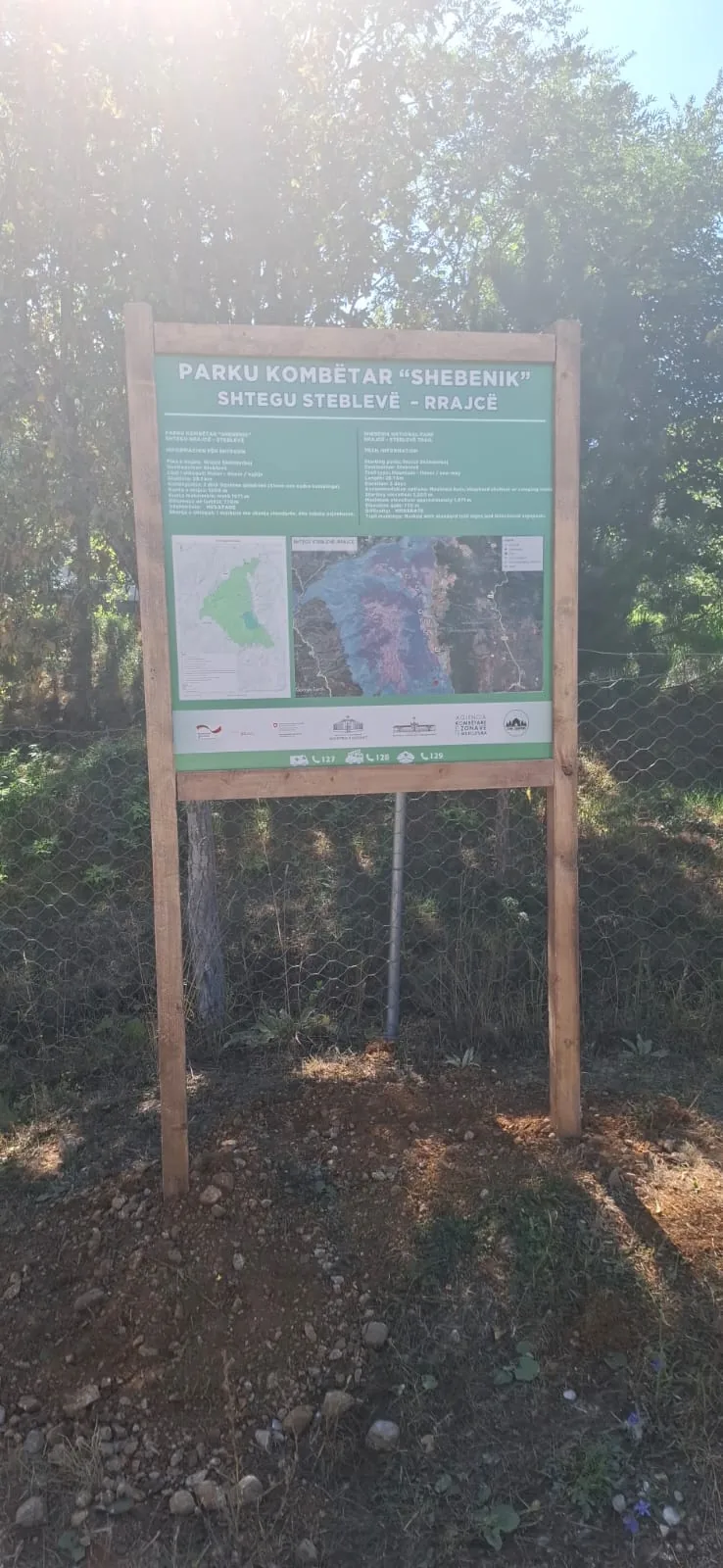
Alongside that, digital itineraries and digital guides have been produced to help people orient themselves and to reach less known areas. Their real value is not navigation. It is that they make a place legible before someone arrives, which is the difference between a route and a destination.
Trails are developed with the same principle: the knowledge comes from local people and the work is done with them, not delivered to them. The Steblevë–Rrajcë Trail is the clearest implementation of this so far, at around 27 kilometres marked, oriented and documented on the ground.
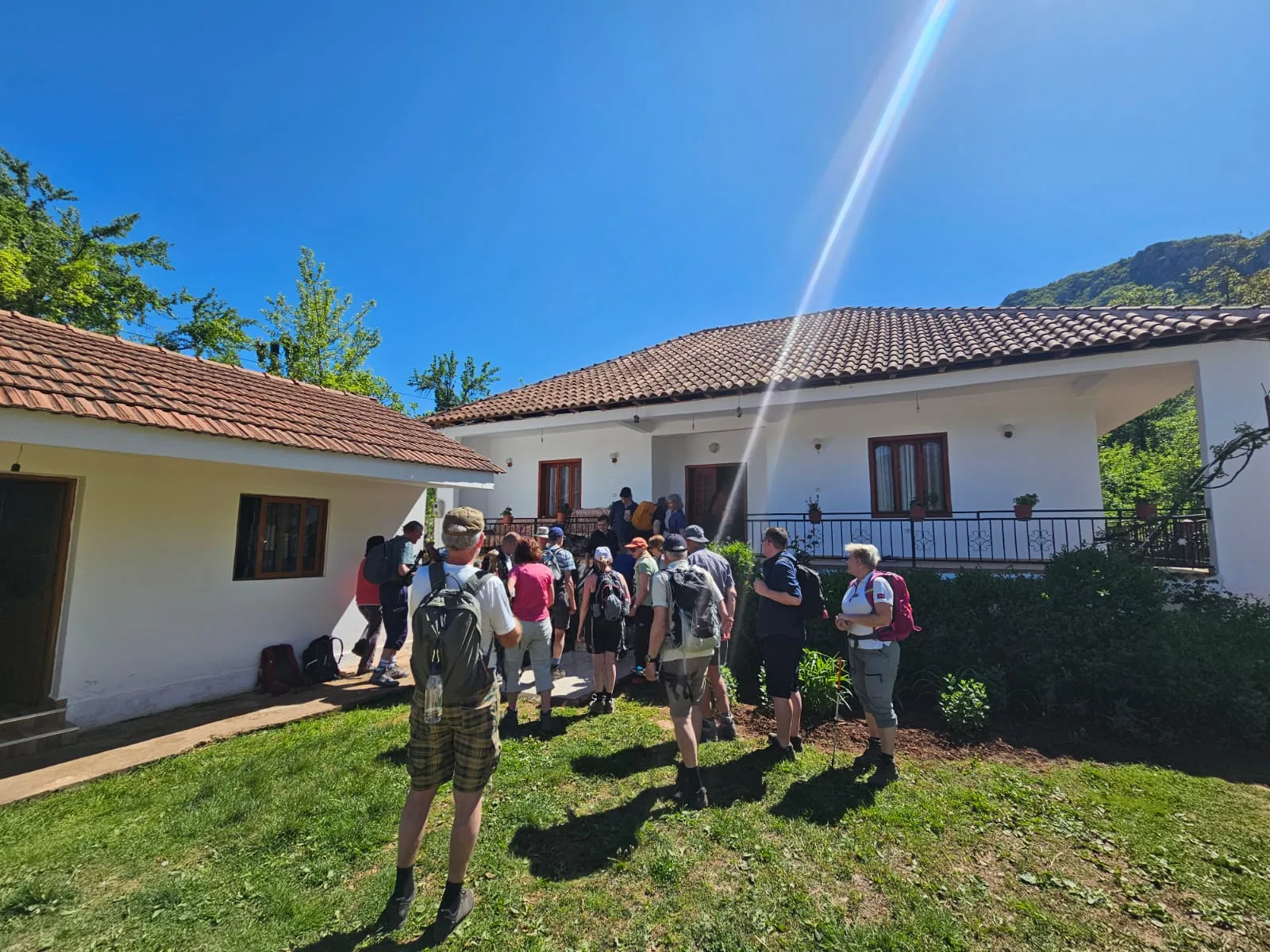
The project has always included working with volunteer groups and young people. Field work is where an organisation finds out that a trail needs more than signs, that a route has to be walked in different seasons, and that the knowledge about a place usually belongs to someone who was never asked. Bringing guides, volunteers and young people into the process is how that knowledge enters the work and stays there.
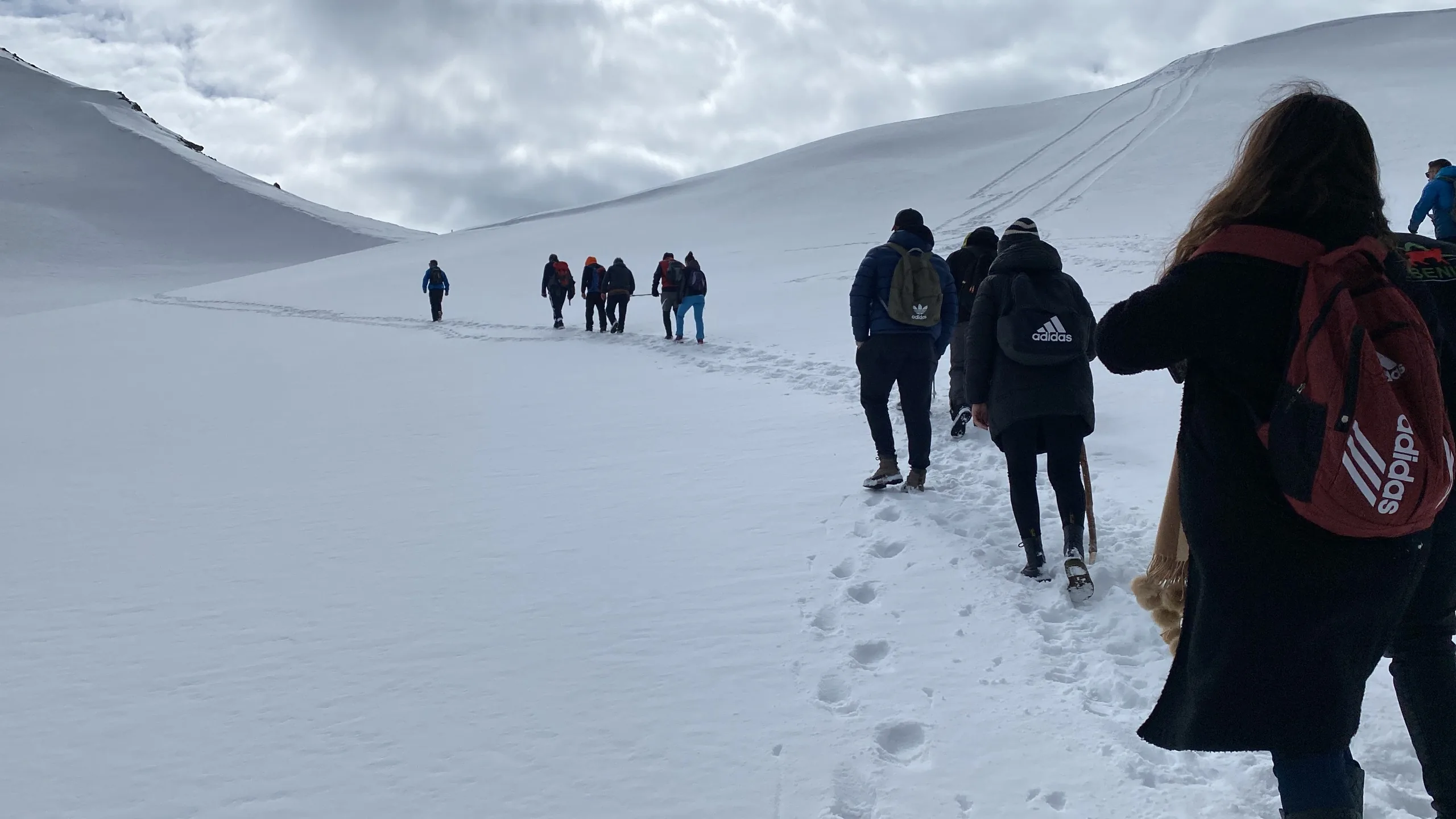
Green tourism practices are the practical half of the same idea: routes that carry the wear they are given, stages sized to what a place can absorb, and a number of people in a place that the place can host. None of that is a label applied from outside. It is a set of decisions the local people have to be able to make.
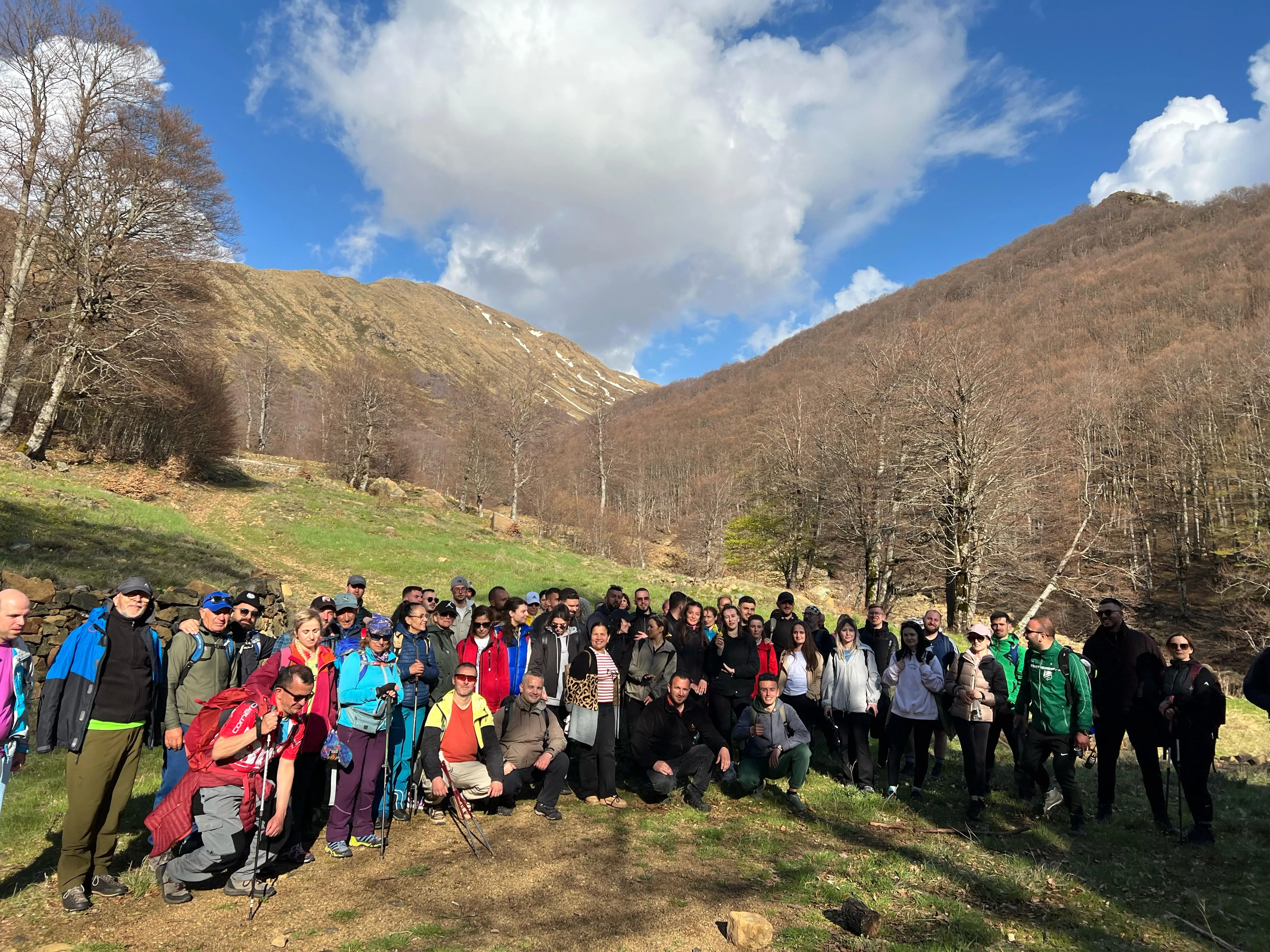
The measure of this project is whether it keeps working after we leave. Documentation, trained guides and a trail that a community can maintain are capacity that stays in the community.
Objectives
Partners · Local guides, Community groups, Volunteer groups