Project · Ongoing · Albania
Environment & Community
Working with communities to protect natural environments and promote more sustainable practices.
Project · Ongoing · Albania
Working with communities to protect natural environments and promote more sustainable practices.
Environmental problems in a place are rarely solved by the people who arrive with the idea. They are solved by the people who live there, and that only works if those people have the information, the documentation and the collective weight to be heard. This project is about closing that gap.
Three problems in the areas we work are the clearest examples.
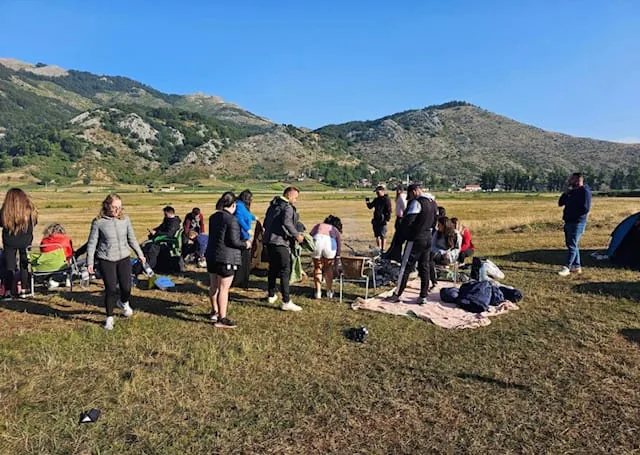
The Bushtrica river was under threat from plans to build a hydropower plant on it. A river and a valley downstream of it were about to be decided in rooms the people who live there were not in.
Plastic waste is not a single dramatic event. It accumulates quietly and it is the visible result of everything a place does not have the capacity to manage.
Environmental knowledge does not reach people by being published. Most of what shapes how a place treats its river, its soil and its waste is decided locally, by people who were never given the information in a form they could use.
The work is not a campaign. It is a long series of small, specific roles, taken depending on what each initiative needs: project coordinator, facilitator or volunteer. Sometimes that means organising the documentation. Sometimes it means being the person in the room explaining what a decision means to someone who has to live with it. Often it means carrying something.
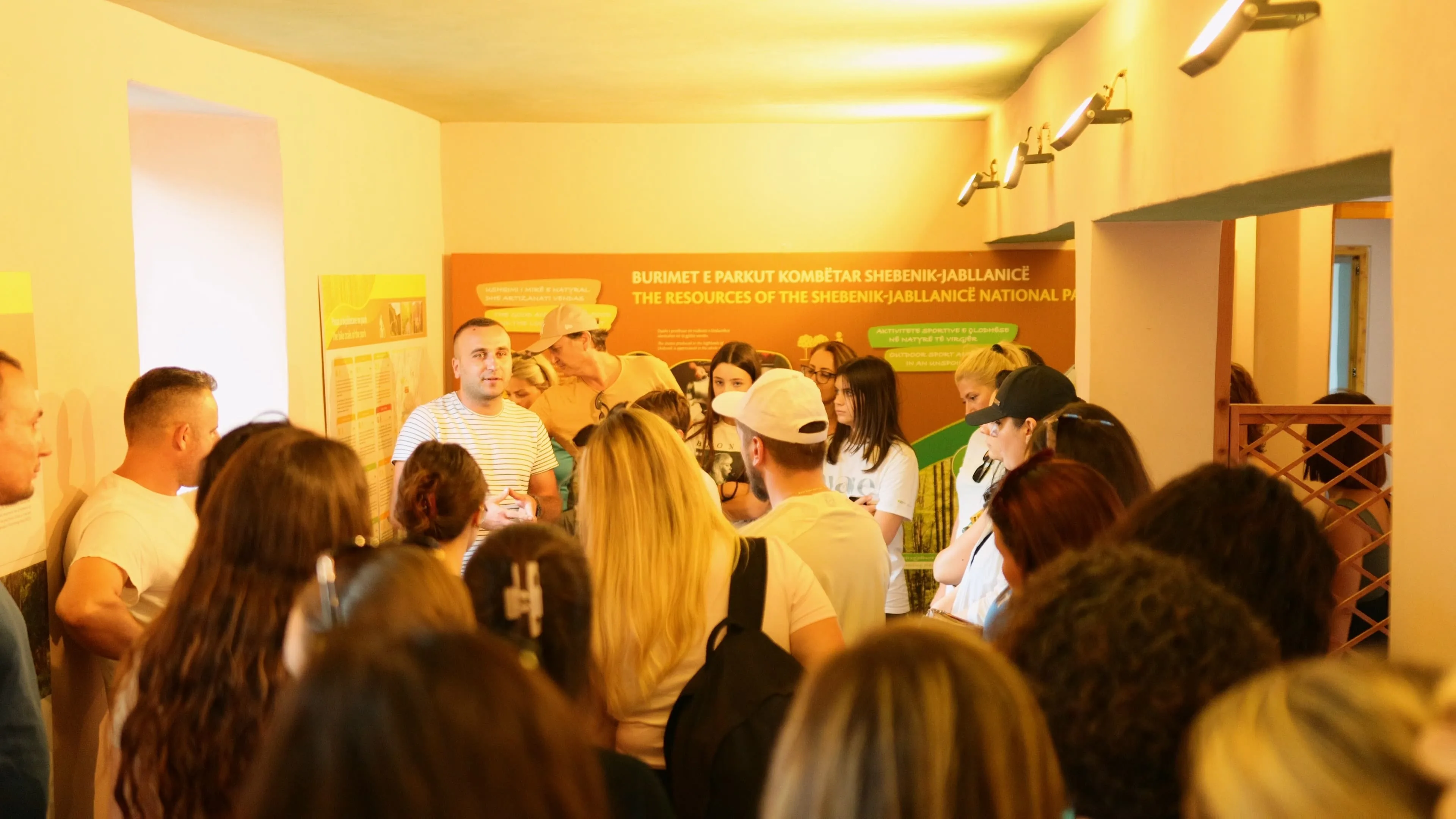
Who is involved varies with the place, and that is the point. The partners are local organisations, national and international organisations, schools and community centres, and residents of the specific area each initiative concerns. The role of young people has been as coordinators, facilitators and volunteers, which means holding a responsibility, not watching.
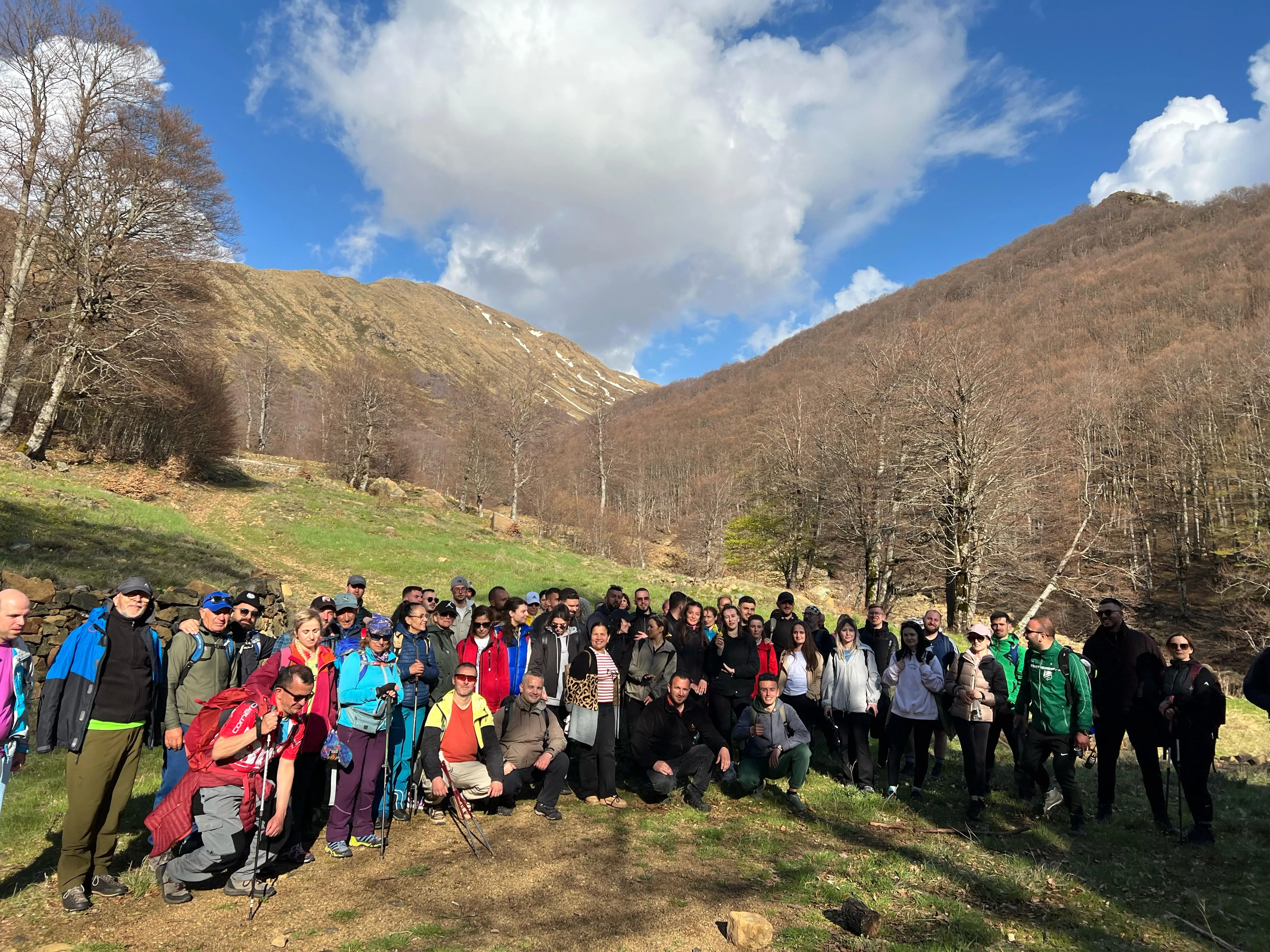
On the Bushtrica, the work meant documenting the river and its valley, being present at the meetings where the decisions were explained, and helping the people affected understand what was being decided and what could still be done at each stage.
On plastic waste, it meant many small actions over time rather than one event.
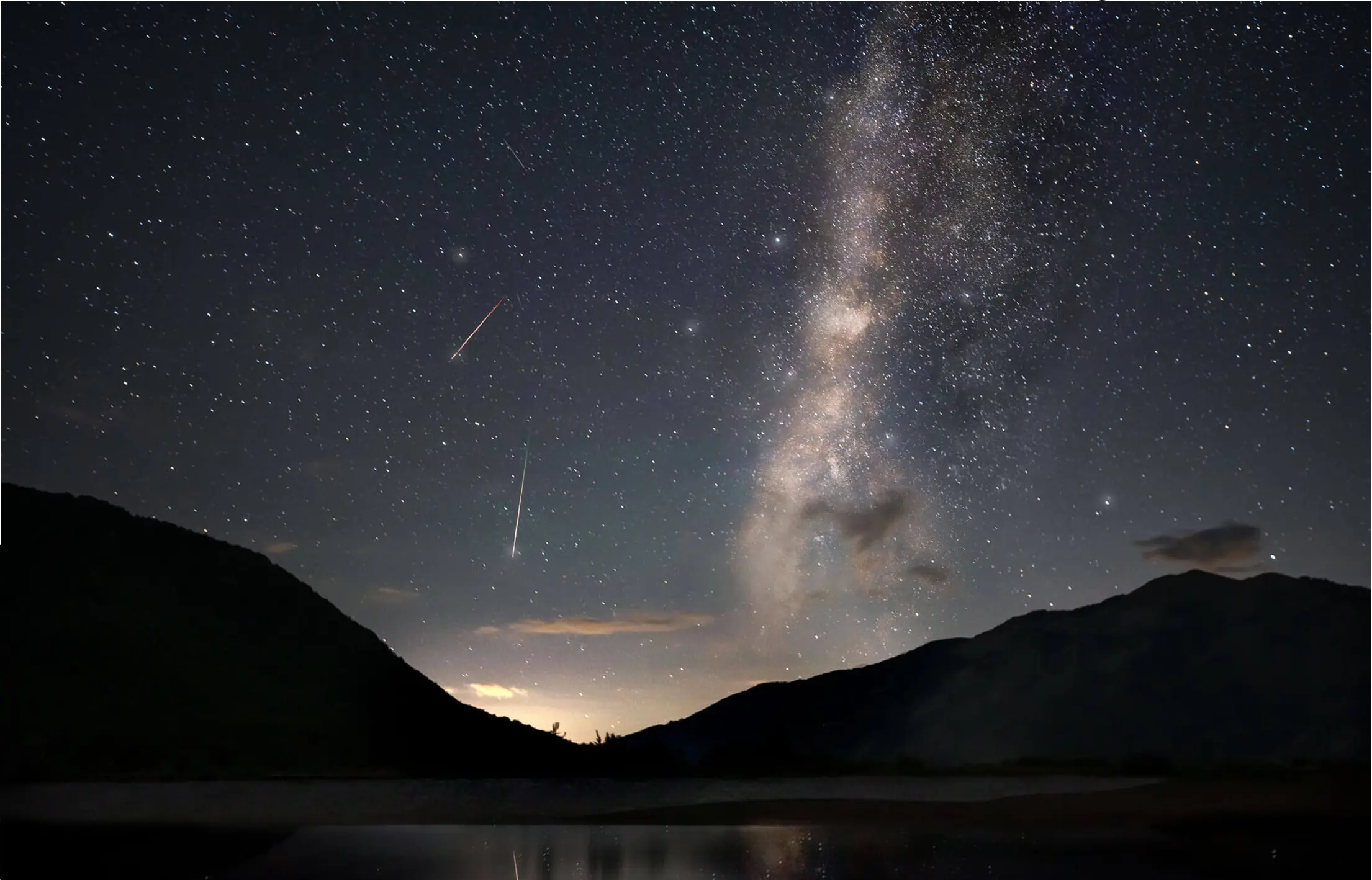
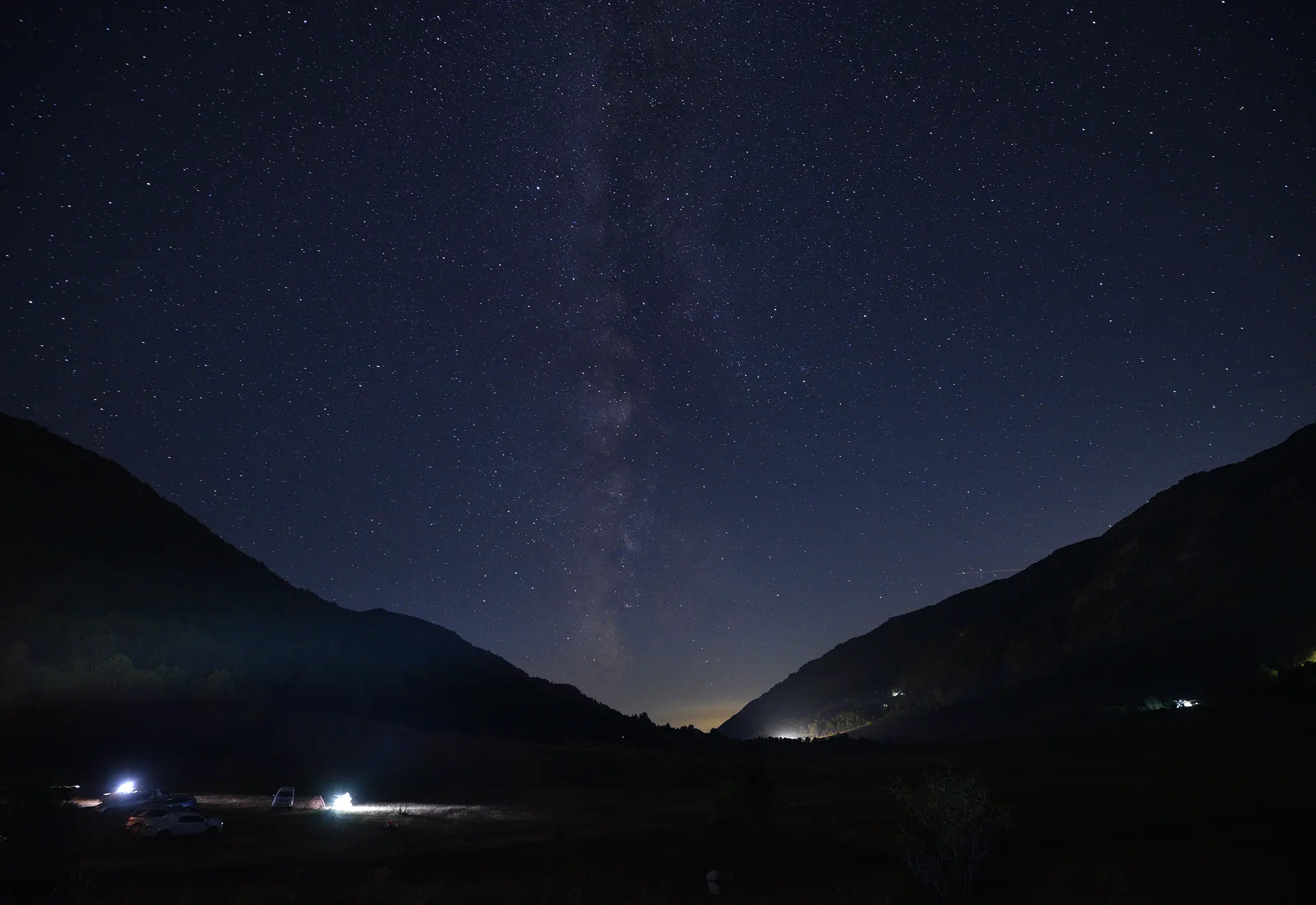
In environmental education, it meant going into a school or a community centre and explaining something in a way people could use themselves. In most of these activities we also ran the astronomy and nature programmes, which puts an environmental question in front of children in a place where the answer is visible from where they are standing.
No single activity produced a large result on its own, and it would be dishonest to present one.
What did change is measurable in other ways. The Bushtrica work contributed to documentation and public awareness around a decision that affected an entire valley. The plastic and education work built awareness that persists in the people who took part. And the partnerships produced the practical knowledge of how environmental work gets done here: who to call, which organisation does what, and how to turn a field experience into a project proposal.
The result that matters most is that residents now have standing in decisions about their own environment, and that a network exists which can act on it.
Local organisations, national and international organisations, schools, community centres and the residents of each area, supported through several participations in trainings inside and outside the country.
That is the base we want to build new projects on, starting from the needs and the possibilities of each place.
Objectives
Partners · Local organisations, National organisations, International organisations